


Discover Inspiring Local Sustainability Efforts and Community Programs
By Eric Paulson In the rugged landscapes of Wyoming, where independence and resilience are more than just values—they are a way of life—community-led sustainability programs are lighting the way forward. These initiatives empower families and neighbors to build self-reliance, strengthen bonds, and prepare for whatever challenges come their way. I’ve seen firsthand how these programs transform communities, turning individual efforts into a collective force for lasting impact.
Let’s dive into some inspiring local sustainability efforts that embody freedom, resilience, and neighbor-helping-neighbor spirit. These programs don’t wait for government intervention; they thrive on grassroots action and practical skills that anyone can learn and share.
Embracing Local Sustainability Efforts: Building Resilience Together
Local sustainability efforts are the backbone of a thriving, self-reliant community. They focus on practical, hands-on skills and resource stewardship that empower individuals and families to take control of their well-being. In Wyoming, where the wide-open spaces demand rugged independence, these programs are more than just educational—they are lifelines.
One standout example is community gardens that not only provide fresh produce but also serve as hubs for sharing knowledge about soil health, water conservation, and seasonal planting. These gardens foster neighbor-to-neighbor collaboration, creating a network of support that extends beyond the garden beds.
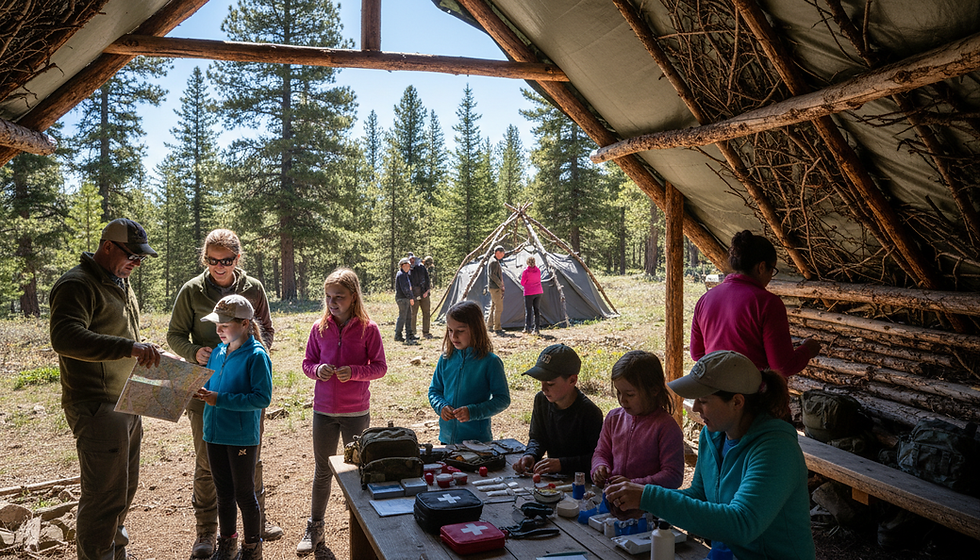
Another powerful local effort is the establishment of emergency preparedness workshops. These sessions teach essential skills like water purification, shelter building, and first aid—skills that every family should have in their toolkit. By learning together, neighbors build trust and confidence, knowing they can rely on each other when it counts.

Community sustainability initiatives like these are the seeds of a resilient future. They remind us that true preparedness starts at home and grows through shared effort.
What are the 7 Pillars of Sustainability?
Understanding the foundation of sustainability helps us appreciate why these local programs matter so much. The 7 pillars of sustainability provide a framework that guides community efforts toward long-term success:
Environmental Stewardship - Protecting natural resources and promoting biodiversity.
Economic Viability - Supporting local economies and sustainable livelihoods.
Social Equity - Ensuring fair access to resources and opportunities for all community members.
Cultural Preservation - Honoring traditions and local heritage.
Health and Well-being - Promoting physical and mental health through clean air, water, and nutritious food.
Education and Awareness - Providing knowledge and skills for sustainable living.
Community Engagement - Encouraging active participation and collaboration among residents.
Each pillar reinforces the others, creating a balanced approach that strengthens families and neighborhoods alike. When local sustainability efforts align with these pillars, the result is a community that can weather storms—literal and figurative—with confidence and grace.
Practical Examples of Community-Led Sustainability Programs
Let me share some real-world examples that illustrate how these principles can come alive in Wyoming communities:
Water Harvesting and Purification Projects: In areas where water is scarce, neighbors have come together to build rainwater catchment systems and share techniques for filtering and storing clean water. These projects reduce dependence on external sources and teach valuable skills for emergency situations.
Land Navigation and Outdoor Survival Workshops: These programs equip participants with the know-how to navigate Wyoming’s vast wilderness safely. Learning to read maps, use a compass, and build emergency shelters fosters independence and prepares families for outdoor adventures or unexpected events.
Neighborhood Tool Libraries: Sharing tools and equipment reduces waste and saves money. These libraries encourage neighbors to borrow rather than buy, fostering a culture of sharing and mutual support.
Stop-the-Bleed Training: First aid skills are critical in emergencies. Community-led workshops teach how to control bleeding and provide immediate care, empowering individuals to act decisively when seconds matter.

These programs are not just about skills—they are about building a culture of preparedness and mutual aid. They create a safety net woven from the strength of many hands.
How to Get Involved and Strengthen Your Community
If you’re ready to take action, here are some practical steps to engage with local sustainability efforts and make a difference:
Join or Start a Community Garden: Connect with neighbors to grow food, share seeds, and exchange gardening tips. Even a small plot can yield big rewards.
Attend Workshops and Training Sessions: Look for local events focused on outdoor skills, emergency preparedness, and sustainable living. These gatherings are great places to learn and meet like-minded people.
Volunteer Your Skills: Whether you’re handy with tools, knowledgeable about plants, or skilled in first aid, your expertise can strengthen community programs.
Support Local Nonprofits: Organizations dedicated to outdoor education and civic literacy rely on volunteers and donations. Your involvement helps sustain their vital work.
Share Knowledge with Family and Friends: Teaching children and adults alike builds a culture of resilience that lasts generations.
Advocate for Resource Sharing: Encourage the creation of tool libraries, seed exchanges, and other cooperative ventures that reduce waste and build connections.
By taking these steps, you become part of a movement that values freedom through preparedness and resilience. It’s about being ready, not alarmed; proactive, not passive.
The Power of Neighbor-Helping-Neighbor Actions
At the heart of every successful sustainability program is the simple truth that we are stronger together. When neighbors help neighbors, the entire community benefits. This spirit of cooperation is especially vital in Wyoming’s rural and semi-rural areas, where distances are great and resources can be limited.
Consider the impact of a community that shares knowledge about wildfire prevention, or one that organizes mutual aid networks for emergencies. These actions build trust and reduce vulnerability. They create a safety net woven from shared responsibility and care.
Community-led programs also foster a sense of pride and ownership. When families see the tangible results of their efforts—whether it’s a thriving garden, a well-stocked emergency kit, or a confident child who knows how to navigate the outdoors—they gain confidence and hope.
This is the essence of true sustainability: a community that stands ready, united by purpose and prepared to face the future with grit and grace.
If you want to explore more about how to get involved or support these efforts, check out community sustainability initiatives that focus on practical, hands-on education and neighborly collaboration.
Together, we can build a Wyoming that honors its rugged heritage while embracing a sustainable, resilient future. It starts with each of us—learning, sharing, and stepping up to be the neighbors our families deserve.


Comments